The History of Southern California Tattoo Culture
A complete guide to how SoCal became the tattoo capital of the world — from the Long Beach Pike to color realism, Chicano black and gray, and the artists who changed everything.
Where Did SoCal Tattoo Culture Begin?
Southern California tattoo culture was born on a pier.
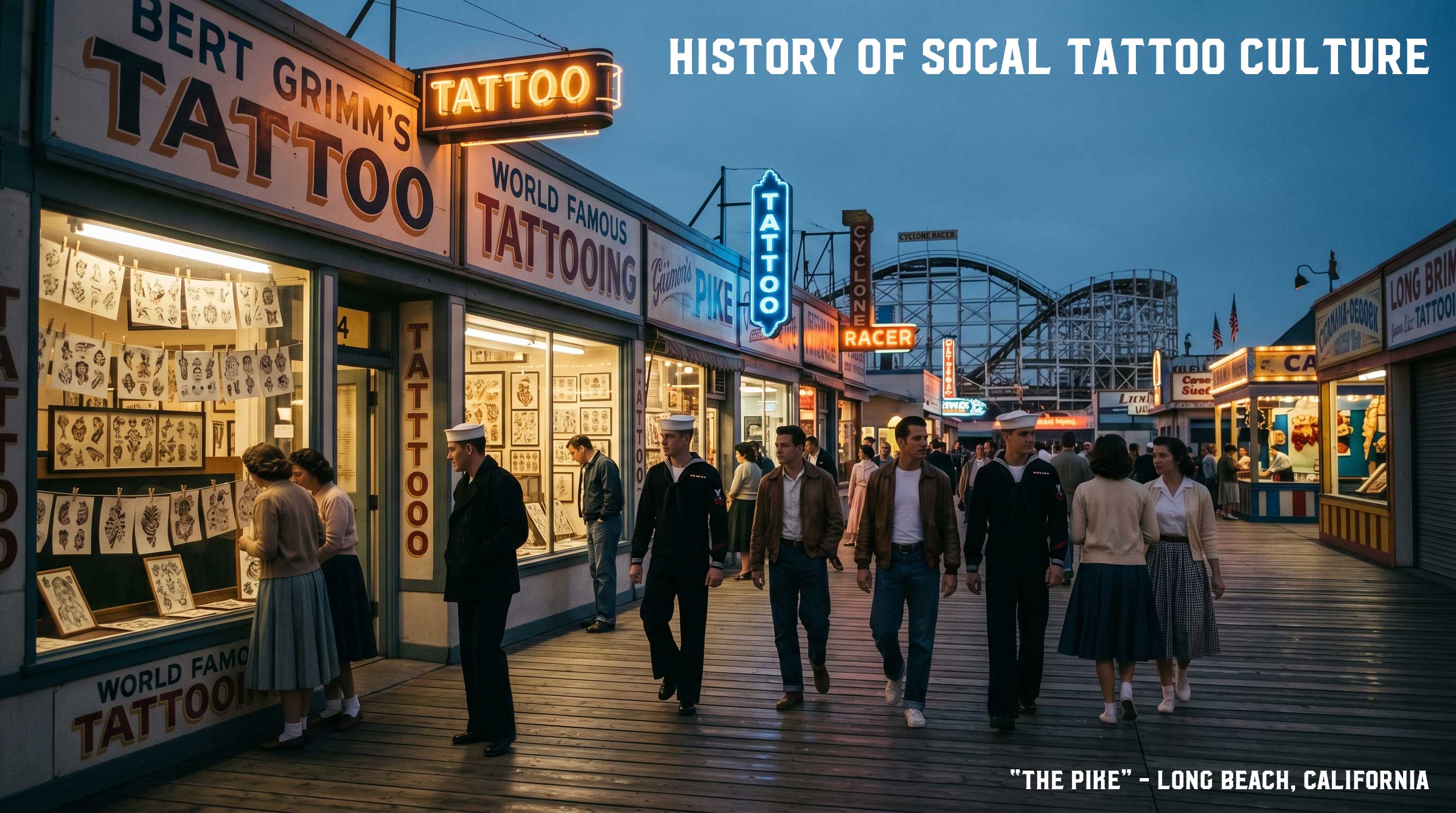
The Pike in Long Beach, California, became a hub for tattoo culture from as early as the 1920s, drawing sailors, bikers, and tattoo enthusiasts from all walks of life. Its tattoo parlors played a pivotal role in shaping the industry and popularizing the art form across the United States. Best Wishes Tattoo
By the 1930s, tattoo artists from around the nation were flocking to Long Beach to learn from the renowned artists at the Pike, driven by the massive naval presence there. At its peak, more than 50,000 sailors and Marines were stationed in Long Beach, with a concentration of tattoo parlors to match. LB908 Magazine
The Pike ran six tattoo shops selling quick four-color tattoos — anchors, roses, and hearts — to sailors on shore leave. When the boats came in, the parlors would stay open for three days straight. Flash on the wall, no custom requests, no color changes. It was volume tattooing in its rawest form. Laweekly
During the 1950s, the park was renamed Nu-Pike, and some of the most iconic figures in the tattoo world set up shop along the pier — Lee Roy Minguh, Bob Shaw, Lyle Tuttle — but the most notable was Bert Grimm, who opened his shop Expert Tattoo in 1952 and launched a career that would influence generations of artists. Cloak & Dagger
That legacy survives to this day at Outer Limits Tattoo — the oldest tattoo parlor in America, first opened in 1927 under the name The Professionals, purchased by Bert Grimm in 1954. LB908 Magazine
What Is the Chicano Black and Gray Tattoo Style?
The most influential tattoo style to ever emerge from Southern California didn't come from a shop. It came from prison.
Prison tattoo artists had the luxury of time but a scarcity of tools. Instead of traditional four-color machines, inmates made needles by sharpening staples and guitar strings, and mixed ashes from burnt Bibles with toothpaste and soap to create a spectrum of grays. The result was something no shop in the world was producing: monochromatic photorealism. Laweekly
The Chicano tattoo art form originated in Chicano communities, particularly in Los Angeles, with roots in prison tattoo culture during the 1960s and 1970s. From its marginalized beginnings, it grew into a respected art form telling stories of pride, resilience, and identity. stanford
The bridge from prison to professional came through two men who met at the Long Beach Pike in the early 1970s: Charlie "Goodtime Charlie" Cartwright and Jack Rudy.
Both men loved the Chicano prison style of tattooing, but only flash was available on the Pike. Cartwright resolved to open a shop that would encourage clients to come in for custom designs. outer-limits-tattoo
In 1975, they headed east and opened Goodtime Charlie's Tattooland on Whittier Boulevard, on a block surrounded by 27 gangs — serving cholos, bikers, lowriders, and regular blue-collar people. Phoenix New Times
When clients wanted the black-and-gray prison style that existing machines couldn't replicate, Rudy tinkered until he invented a new mechanical technique — funneling three streams of ink into a single needle point — making Tattooland the epicenter of monochromatic photorealism. Laweekly
Who Were the Legends of SoCal Tattooing?
Bert Grimm — The patron saint of the Long Beach Pike. Known for his meticulous and bold designs, Grimm's shop became a landmark, contributing significantly to the Pike's reputation as a tattoo destination. He is also the artist who, legend has it, snuck a young Ed Hardy into his shop at age 10 to watch him work. Speakeasy Tattoo
Don Ed Hardy — Born in Newport Beach, Hardy was a product of Southern California who apprenticed in Japan and became known for large colorful renditions of traditional Japanese back pieces, sleeves, and suits. When he encountered the work of the East L.A. artists, he was blown away by the delicate detail and artistic depth they championed — work that referenced prison tattooing and pioneered photorealism. Laweekly
Jack Rudy — Beginning his career in 1975 as an apprentice at Goodtime Charlie's Tattooland, Rudy became known for his use of light and dark shades of black and gray. He is widely credited, alongside Cartwright, for inventing the single-needle technique that defines the Chicano style. Wikipedia
Charlie "Goodtime Charlie" Cartwright — Cartwright and Rudy are credited for taking the Chicano style to a national level by opening Goodtime Charlie's in East LA in 1975. Long Beach Rummy Club
Freddy Negrete — One of the key architects of East L.A. fine-line tattooing. When asked why he wanted to learn color techniques from Ed Hardy, Negrete said: "I didn't want to do what he was doing. I wanted to know how he was doing it." That exchange defined SoCal tattooing's creative ethic — cultures cross-pollinating through craft, not copying. Dismantle Magazine
Kari Barba — Current owner of Outer Limits Tattoo in Long Beach, the oldest tattoo shop in America. A living keeper of the tradition.
How Did the Chicano Style and American Traditional Cross-Pollinate?
The color and bold lines of American Traditional and the fluidity of black-and-gray came together in East L.A. on Whittier Boulevard when Cartwright opened Goodtime Charlie's Tattooland, offering both styles and championing a personalized, collaborative approach. Laweekly
When East L.A. tattooers Jack Rudy and Charlie Cartwright met Ed Hardy at a tattoo convention in 1977 in Las Vegas, worlds collided. Hardy began incorporating the exquisite lettering of Chicano tattooing while the others began to experiment with color. The result was a cross-cultural exchange that elevated both traditions. Dismantle Magazine
This convergence — American Traditional's bold color + Chicano fine-line's photographic depth — is the DNA of what became Southern California's signature style: color realism.
What Is SoCal Color Realism?
Color realism is the style that put Southern California tattooing on the global map in the late 1980s and 1990s. It took the photographic depth of Chicano black and gray and added the full spectrum — producing tattoos that looked less like illustrations and more like photographs printed on skin. Portrait work, nature imagery, and figurative art executed at a level of detail that required multiple sessions and a new generation of inks, needles, and technique.
This is the style that Sullen Art Collective was built around — and the style that defines the brand's artist network to this day.
What Subcultures Shaped SoCal Tattoo Culture?
SoCal tattoo culture doesn't exist in isolation. It grew out of — and grew alongside — a cluster of overlapping subcultures unique to Southern California:
Sailors and the Navy — The original clients. Long Beach Naval Station was the catalyst for the Pike's tattoo industry. When the station closed in 1994 and the shipyard in 1997, it ended over 80 years of Navy involvement that had shaped the entire industry.
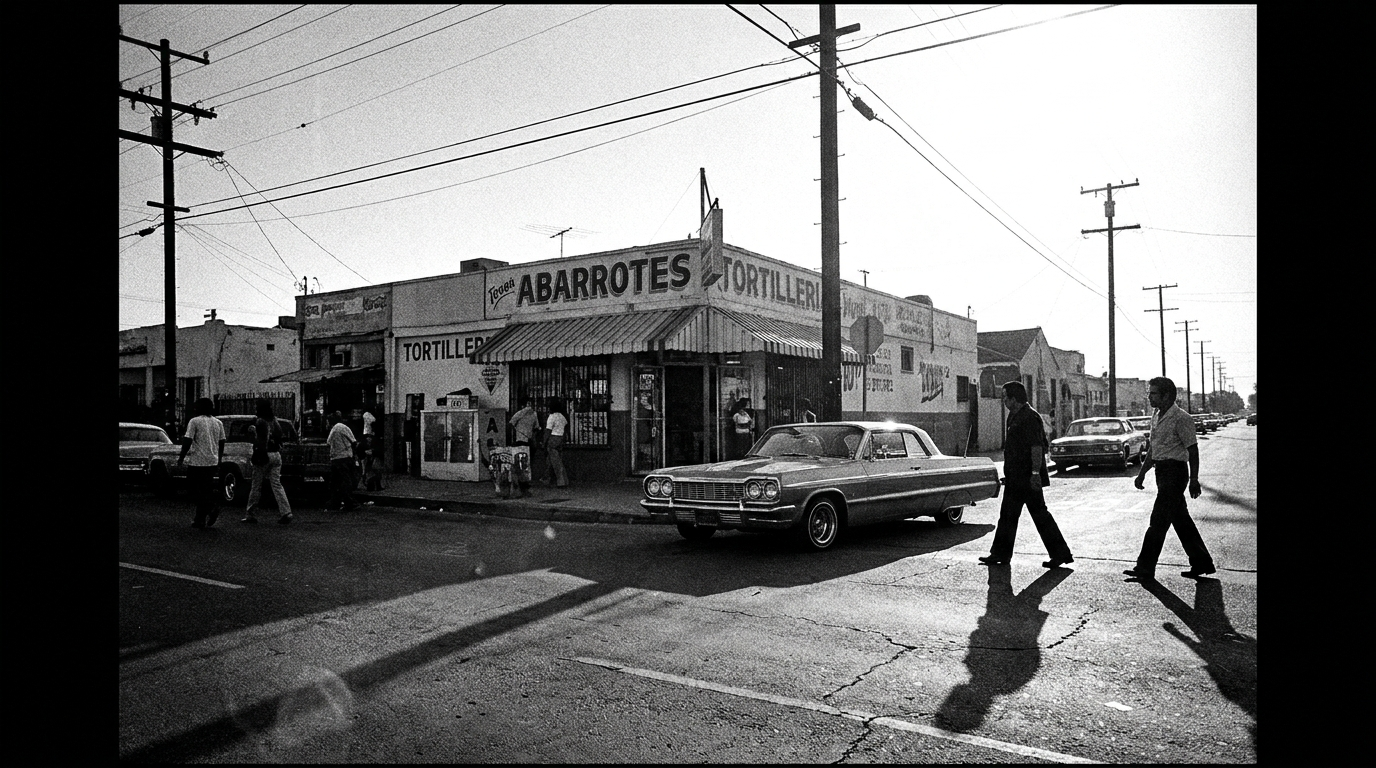
Chicano and Lowrider Culture — Lowrider tattoo designs emerged from the heart of Chicano culture, deeply intertwined with the lowrider car scene that originated in Los Angeles during the mid-20th century. These designs are visual narratives that speak to struggle, resilience, and community. stanford
Prison Culture — The technical innovations of tattooing under constraint — single-needle fine line, black and gray gradients, photorealistic portraiture — came directly out of California's prison system.
Biker Culture — The lowrider cruise scene on Whittier Boulevard, the Chicano biker community, and the cholos who made up Tattooland's first clients in East L.A. were all threads of the same fabric. Laweekly
The Art World — By the late 1980s and 1990s, SoCal tattooing had attracted serious fine art attention. Museum exhibitions began treating tattoo as a legitimate art form, with the Museum of Latin American Art (MOLAA) staging significant historical surveys of the tradition.
How Did SoCal Tattoo Culture Go Mainstream?
The mainstream crossover happened in waves. Tattoo conventions in the late 1970s — beginning with one of the first major conventions ever held in Reno in 1977 — allowed the isolated innovations of East L.A. shops to spread nationally and internationally. Television accelerated everything: reality shows like LA Ink and Miami Ink brought SoCal's visual language into living rooms worldwide in the 2000s.
Southern California's role expanded from sailors getting inked on the Long Beach Pike to modern-day artists with their own reality shows — a direct throughline spanning more than half a century. Spectrum News
Today, Southern California is home to some of the most technically advanced tattoo studios in the world — and the most recognizable tattoo-inspired art and apparel brands. The cultural vocabulary forged on the Long Beach Pike, in East L.A. back rooms, and in California's prison yards is now a global aesthetic.
Sullen Art Collective and the SoCal Tradition
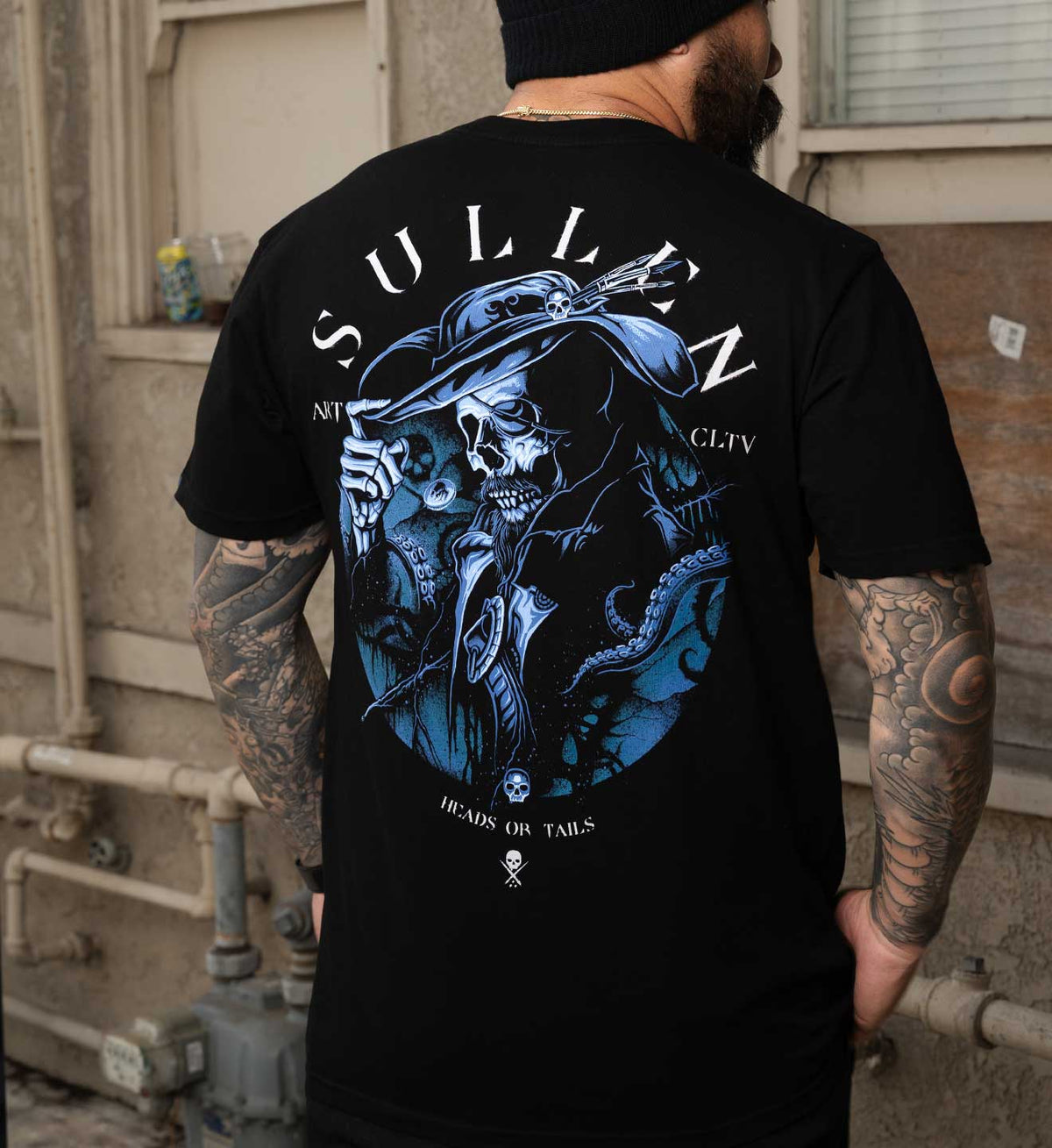
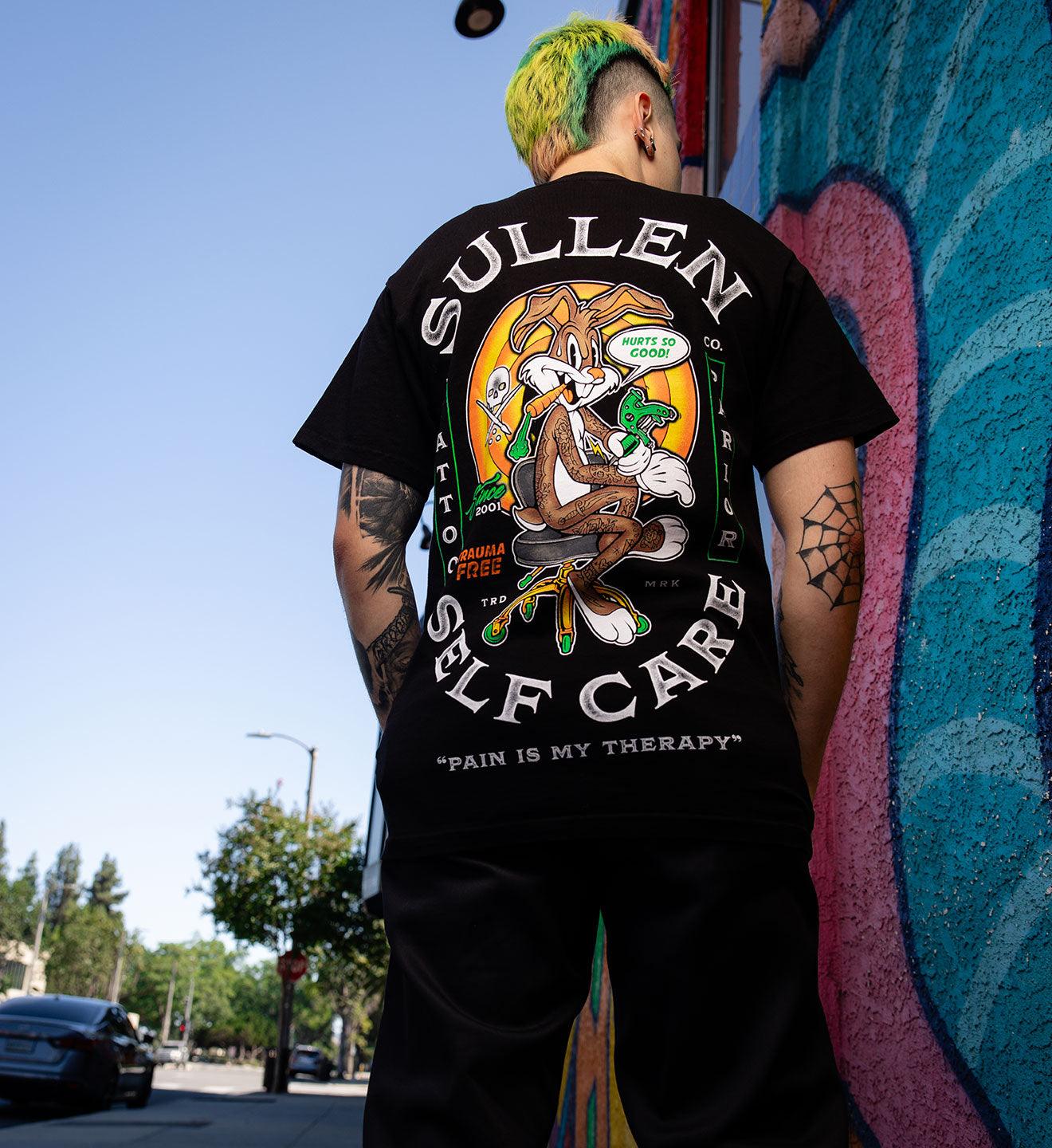
Founded in 2001 in Southern California, Sullen Art Collective exists at the intersection of all of it — the fine art ambition, the Chicano and lowrider visual vocabulary, the color realism tradition, and the culture of artists who live the lifestyle rather than just representing it. With over 500 affiliated tattoo artists across 25 years, Sullen is the brand that turned that living tradition into wearable art.
The history of SoCal tattoo culture isn't background. It's the product.

Written by Ryan Smith