


Hot Rod Tattoo Art: Car Culture Meets Tattoo Culture
Hot rods and tattoo art come from the same mindset. Both are built on personal style, skilled hands, and a drive to stand apart. From garage builds to bold ink, this crossover has shaped a visual culture that still pushes forward today.
A Shared History of Rebellion and Expression
Hot rod culture started in the late 30s and took off after World War II, when young builders started modifying cars for speed and style. It was not about following rules. It was about creating something personal with what you had. That same mindset showed itself in American tattoo culture, where the practice was generally considered outside of the mainstream.
Custom cars and custom tattoos became ways to show identity without saying a word. You could see someone’s values, taste, attitude, and even social status through what they drove or wore on their skin. Both were stigmatized as dangerous, but many also saw them as symbols of freedom. These cultures became more widely accepted over time, but that rebel spirit remains.
There is also a strong DIY spirit in both cultures. Early hot rod builders learned through trial and error. Tattoo artists from different cultures often did the same, developing techniques through hands-on work. That shared foundation built respect for originality and skill that still defines both cultures.
The SoCal Garage Influence
Southern California played a major role in shaping both hot rod and tattoo culture. Open roads, car clubs, and backyard garages created space for builders to experiment and push limits. At the same time, tattoo shops in the area were refining bold styles that would become widely recognized.
These worlds often overlapped. Car builders, surfers, bikers, and tattoo artists moved in the same circles, and ideas spread quickly. A flame job on a car could inspire a tattoo design. A piece of flash art could influence paintwork on a hood or fender.
The garage became more than a workspace. It was a meeting point for creativity. Music, tools, and sketchbooks all shared the same space. That environment helped shape a visual identity that felt raw, direct, and personal.
A Unique Visual Language

Hot rods and tattoos share a lot of visual language. You see it in the lines, colors, and movement built into each design. Hot rod tattoos use symbols and styles that tie back to car culture and echo the art of custom paint jobs.
Clean Linework
Much like pinstripes on a vehicle, crisp linework shows a dedication to the art. These kinds of lines rely on steady hands and sharp contrast to keep designs clear and defined.
Bold Color Choices
Any color can be used, but striking reds, blacks, and yellows are popular choices for both cars and tattoos. These colors create strong contrast and tend to hold up well over time.
Shading and Depth
Shading adds dimension and realism to tattoos. A good artist can use color and shading to create vehicles with realistic metal textures and reflective-looking chrome. Gradients and highlights give both tattoos and paint jobs a layered, finished look without losing clarity.
Icons, Symbols, and Storytelling
Hot rod tattoo art uses common symbols and imagery to create a connection to the culture.
Examples include:
-
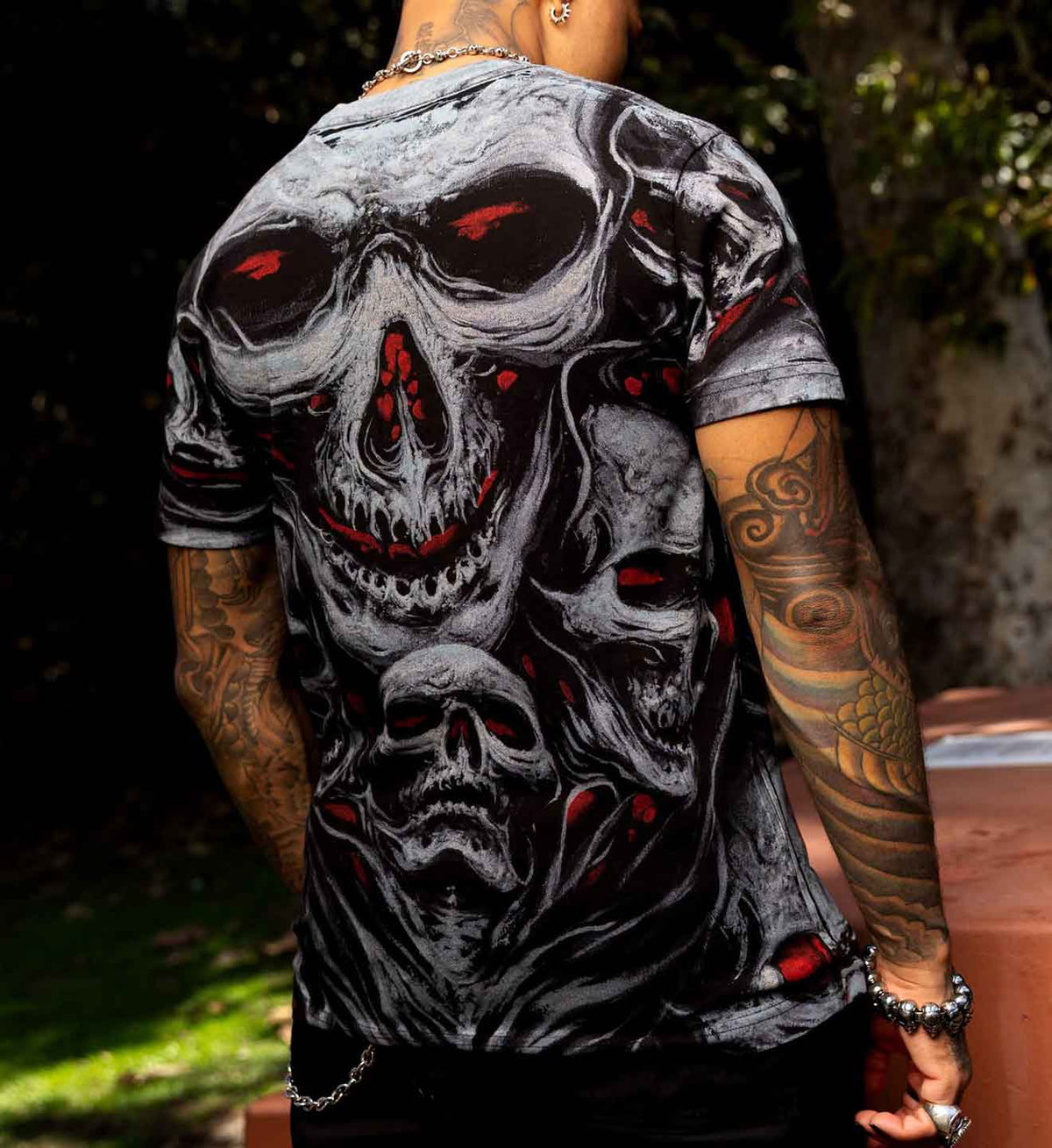
Skulls: Represent risk, mortality, and a fearless mindset tied to both driving and living fast
-
Engines and pistons: Stand for power, performance, and the mechanical side of car culture
-
Dice and playing cards: Point to chance, luck, and embracing uncertainty
-
Flames: Signal speed, motion, and raw energy linked to hot rod builds
-
Checkered flags: Reflect racing roots, competition, and the pursuit of speed
-
Daggers: Represent toughness, edge, and a willingness to push limits
-
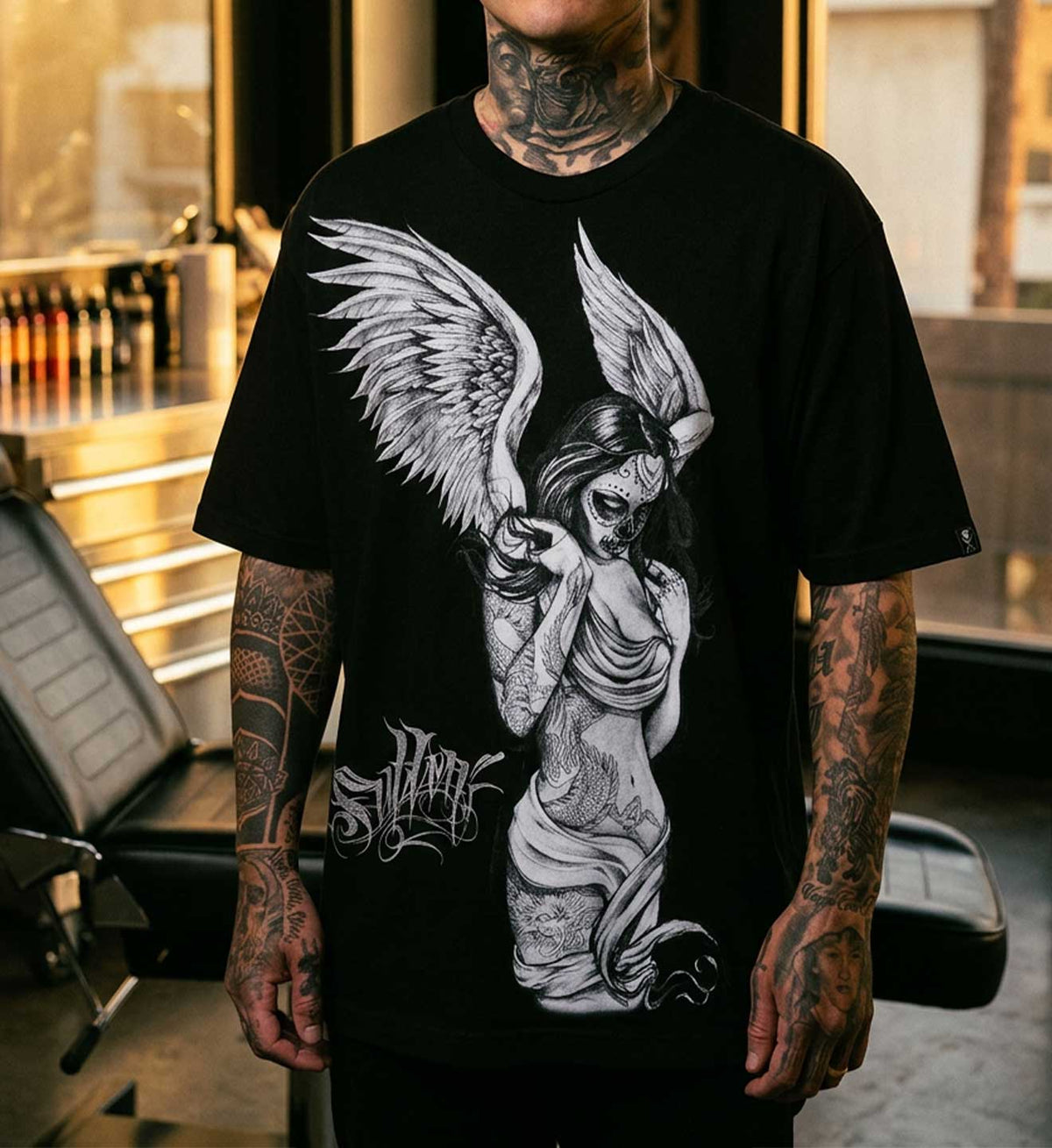
Wings: Suggest freedom, movement, and the open-road lifestyle
Together, symbols like these create a particular look that catches eyes and resonates with other gearheads.
Craftsmanship and Custom Builds
Both hot rods and tattoos are crafted by hand. That process takes time, focus, and experience. A custom car build involves cutting, welding, sanding, and painting. A tattoo requires steady linework, careful shading, and an understanding of how designs sit on the body.
There is no shortcut to quality in either world. Each step builds on the last. Mistakes show, so attention to detail stays high from start to finish. That level of care creates work that stands out.
Custom work also means no two pieces are the same. A builder might start with a base model, but the final result reflects their vision. A tattoo artist does the same, shaping each piece to fit the person wearing it. The connection between the maker and the final product is a big part of the appeal. It adds meaning beyond the surface.
The Role of Artists and Builders in Shaping the Culture
Behind every design is a person who brings it to life. Tattoo artists and hot rod builders develop styles that become recognizable over time. Their work influences others and helps push the culture forward.
Shops and garages often act as creative hubs. Artists share ideas, refine techniques, and build on what came before them. This exchange keeps the culture active and evolving.
Reputation also plays a role. A well-known builder or artist earns respect through consistency and quality. Their name becomes tied to a certain look or approach. That identity carries weight within the community.
These individuals shape more than just individual pieces. They help define the direction of the culture as a whole, setting standards and inspiring the next wave of creators.
Shop the Hell on Wheels Collection

Hot rod tattoo art continues to influence what people wear, not just what they drive or ink. That same mix of speed, grit, and bold design shows up in apparel built with purpose. Our Hell on Wheels tattoo apparel brings these elements together through detailed graphics and strong visual themes.
Each piece reflects the crossover between garage culture and tattoo art. From aggressive linework to classic symbols, the designs carry the same attitude found in custom builds and tattoo flash.
Check out the Hell on Wheels capsule collection to find streetwear clothing that matches the culture and wear it your way.

Written by Jill Ponek


