




The History of American Traditional Tattoo Art
American traditional tattoo art helped shape modern tattoo culture across the United States. Known for bold outlines, strong symbolism, and recognizable imagery, the style became a lasting part of American art and self-expression.
The style still influences tattoo shops, streetwear, and graphic design today. From sailors and soldiers to bikers and musicians, generations embraced these tattoos as symbols of identity, pride, rebellion, and experience.
What Is American Traditional Tattoo Style?
American traditional tattoo style, often called old-school tattooing, focuses on bold lines, limited colors, and simple designs that remain clear for years. Tattoo artists developed the style with longevity in mind, creating artwork that stayed readable as skin aged over time.
The style usually includes:
- Thick black outlines
- Solid red, green, yellow, and blue tones
- Minimal shading
- Strong symbolism
- Hand-drawn flash designs
Classic imagery includes eagles, ships, skulls, daggers, roses, snakes, panthers, and pin-up girls. These designs became popular because they were easy to recognize and carried personal meaning.
Tattoo artists also relied on flash sheets, which displayed pre-drawn artwork clients could choose directly from shop walls.
The Early Rise of Tattoo Culture in America
Tattooing existed long before American traditional style developed. Sailors traveling across the Pacific encountered tattoo traditions in places like Polynesia and Japan during overseas voyages. Many brought those influences back to the United States during the late 1800s.
As port cities expanded, tattoo culture spread through military communities and working-class neighborhoods. Sailors often used tattoos to mark major experiences at sea, military service, or personal milestones connected to travel and survival.
The Birth of a Uniquely American Style
One of the most influential artists in American tattoo history was Norman Collins, better known as Sailor Jerry. Working in Honolulu, he helped define the bold style that became American traditional tattooing.
His artwork combined military themes, patriotic imagery, and Japanese tattoo influence. Designs like swallows, anchors, tigers, and pin-up girls became central parts of the style. Sailor Jerry also improved tattoo machines and pigments, helping artists create cleaner lines and stronger color saturation.
As tattoo shops became more common, artists across the country adopted similar techniques and imagery.
Why Traditional Tattoo Imagery Became Iconic

American traditional tattoos became known for strong symbolism. Every design carried meaning, which helped people connect with the artwork on a personal level. The direct style made each image easy to understand at a glance, and the strong symbolism gave it lasting popularity.
Eagles
Eagles symbolized freedom, patriotism, and strength. Military members often chose eagle tattoos to represent service and national pride.
Anchors
Anchors represented stability and safe passage. Many sailors earned anchor tattoos after completing voyages across the Atlantic.
Swallows
Swallows became symbols of travel and safe returns home. Sailors traditionally earned a swallow tattoo after sailing 5,000 nautical miles. This design marked a badge of experience and survival at sea.
Roses
Roses reflected love, sacrifice, and beauty. Artists often paired roses with skulls or daggers to create dramatic contrast.
Daggers and Snakes
These images represented danger, survival, and resilience. The bold shapes worked perfectly within traditional tattoo designs and flash sheets.
The Evolution of American Traditional Tattoos
American traditional tattooing evolved alongside American culture. During the mid-1900s, tattoos were closely connected to military groups, bikers, and underground communities. Many people still viewed tattooing as rebellious and outside mainstream culture.
By the 1970s and 1980s, tattoo culture had expanded into communities around things like music, skateboarding, and alternative fashion. Artists started experimenting with new techniques while still respecting traditional foundations and imagery.
Tattoo conventions and television exposure introduced tattooing to larger audiences. As the industry grew, artists gained recognition for their creativity and craftsmanship.
Modern tattoo artists still use many traditional principles, including:
- Bold composition
- High contrast
- Readable designs
- Strong outlines
- Limited color palettes
Many artists now blend traditional techniques with realism, Japanese tattooing, or neo-traditional styles. Even with those changes, classic American traditional tattoos remain highly respected throughout the tattoo world. The style remains one of the most recognizable forms of tattooing in modern American culture even today.
How Tattoo Culture Influences Fashion
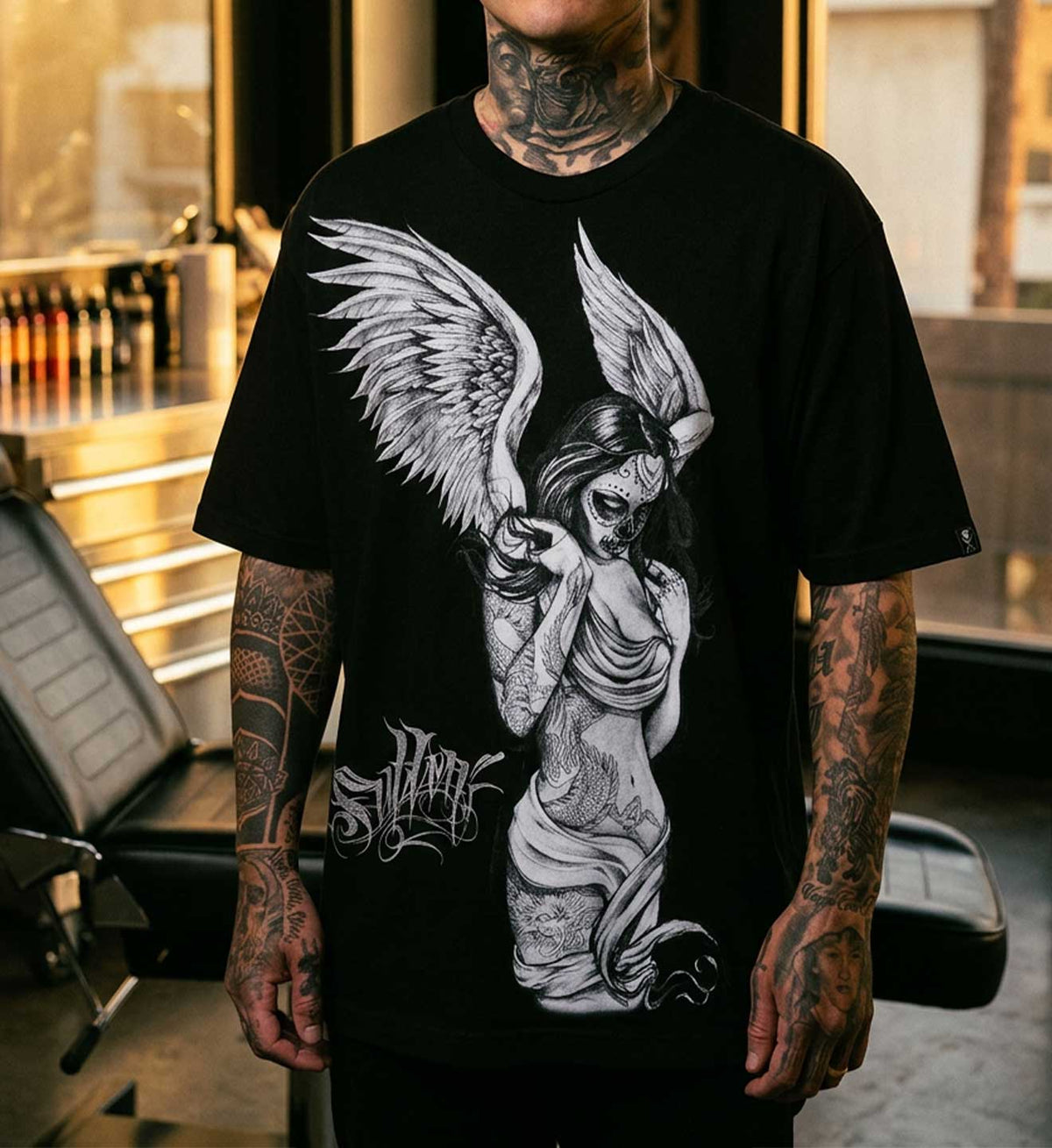
American traditional tattoo art moved beyond tattoo shops decades ago. The bold imagery became part of music, motorcycle culture, skateboarding, and streetwear fashion. Tattoo-inspired artwork appeared on concert posters, album covers, jackets, hats, and graphic tees.
Classic tattoo-inspired graphics work naturally on apparel because the designs are visually strong and recognizable. Eagles, skulls, roses, and traditional lettering continue appearing throughout modern streetwear collections.
Tattoo-inspired fashion also represents individuality, creativity, and freedom of expression. That connection between art and personal style has helped brands like ours maintain strong relationships with tattoo artists and tattoo culture.
At Sullen Clothing, we work closely with artists who keep traditional tattoo culture alive through modern illustration, apparel design, and creative collaborations connected to authentic tattoo lifestyle communities.
Classic Americana Meets Tattoo Heritage

The Americana Capsule Collection celebrates the history and attitude behind American traditional tattoo art. Inspired by classic flash imagery and vintage Americana themes, the collection brings timeless tattoo culture into modern apparel.
Designs throughout the collection feature bold linework, patriotic imagery, skulls, roses, and classic American symbolism tied directly to traditional tattoo history. For tattoo collectors, artists, and streetwear fans, the collection offers a direct connection to the artwork and traditions that built American traditional tattooing into an iconic art form.
Check out the Americana Capsule Collection and find eye-catching designs inspired by the classic artistry and history of American traditional tattoos.

Written by Jill Ponek


