
The Connection Between Skateboarding and Tattoo Culture
Skateboarding and tattoo culture have shared space for decades. Both grew from underground scenes built around creativity, self-expression, and pushing against expectations. Long before either became widely accepted, skaters and tattoo artists created communities that valued originality over approval.
That connection still exists today. Skate parks, tattoo shops, music venues, and streetwear brands continue to overlap in style and attitude. The art, clothing, and personal identity tied to both cultures often speak the same language. National Go Skateboarding Day celebrates that spirit on and off the board.
From Underground Scenes to Global Influence
Skateboarding first appeared around the 1950s, but it wasn’t until the 1970s and 1980s that it solidified into the culture we know today. Especially in the hotspots of California, skaters branched out and developed their own styles. Street skating became tied to punk music, DIY fashion, and anti-authority attitudes. It attracted people who wanted freedom instead of structure.
Tattoo culture carried a similar reputation during those years. Tattoos were still viewed by many as rebellious or dangerous. Tattoo artists often worked outside the mainstream art world, despite the high level of skill involved in their work. Much like skaters, tattooed people were sometimes judged before they even spoke.
Shared Outsider Roots
Both skateboard and tattoo culture spent years outside mainstream acceptance. That outsider status helped shape the identity of each scene in a number of ways:
- Skateboarding was often banned from public spaces and treated like vandalism.
- Tattoo culture faced stereotypes tied to crime and rebellion.
- Independent magazines and small communities helped both cultures grow.
- DIY creativity became part of the foundation for each scene.
Over time, both worlds became major cultural influences. Professional skateboarders gained global recognition, while tattoo artists became respected for their artistic talent. Even with wider popularity, both cultures still value originality and personal identity.
Personal Style and Self-Expression
Skateboarding has always been personal. Every skater develops a different approach to tricks, movement, and style. Some focus on technical street skating, while others prefer transition skating or old-school setups. Personality shows through the way someone rides.
Tattoos work in a similar way. Each tattoo tells a story, marks a memory, or reflects a specific interest. Some people collect traditional designs, while others lean toward blackwork, realism, or hand-drawn pieces. The choices become part of how someone presents themselves to the world.
The Influence of Music and Fashion
Music helped strengthen the connection between skateboarding and tattoo culture. Punk, hardcore, and hip-hop shaped the attitude and visual identity tied to both scenes. Concert flyers, album artwork, and underground zines influenced the look of skate graphics and tattoo flash.
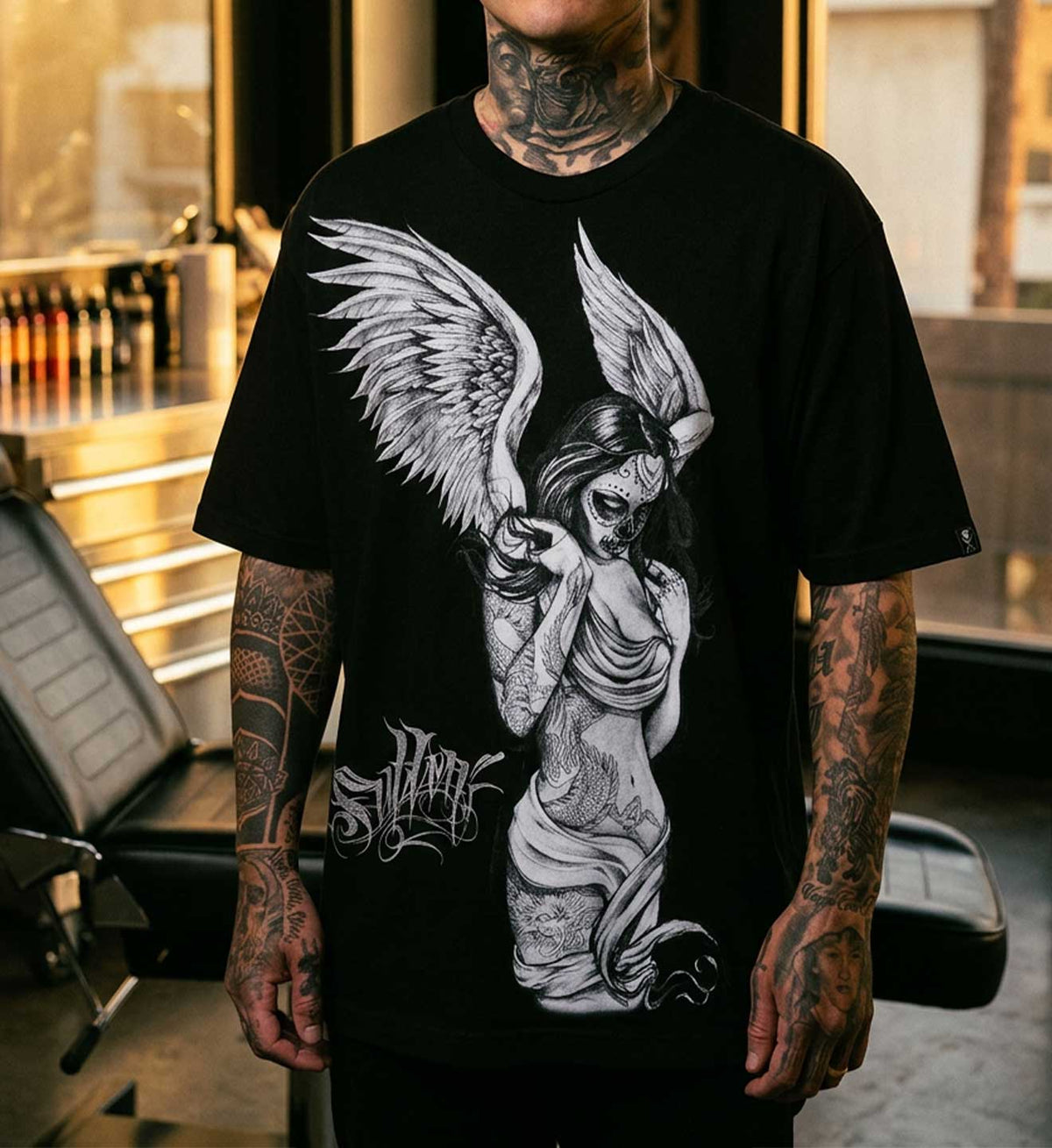
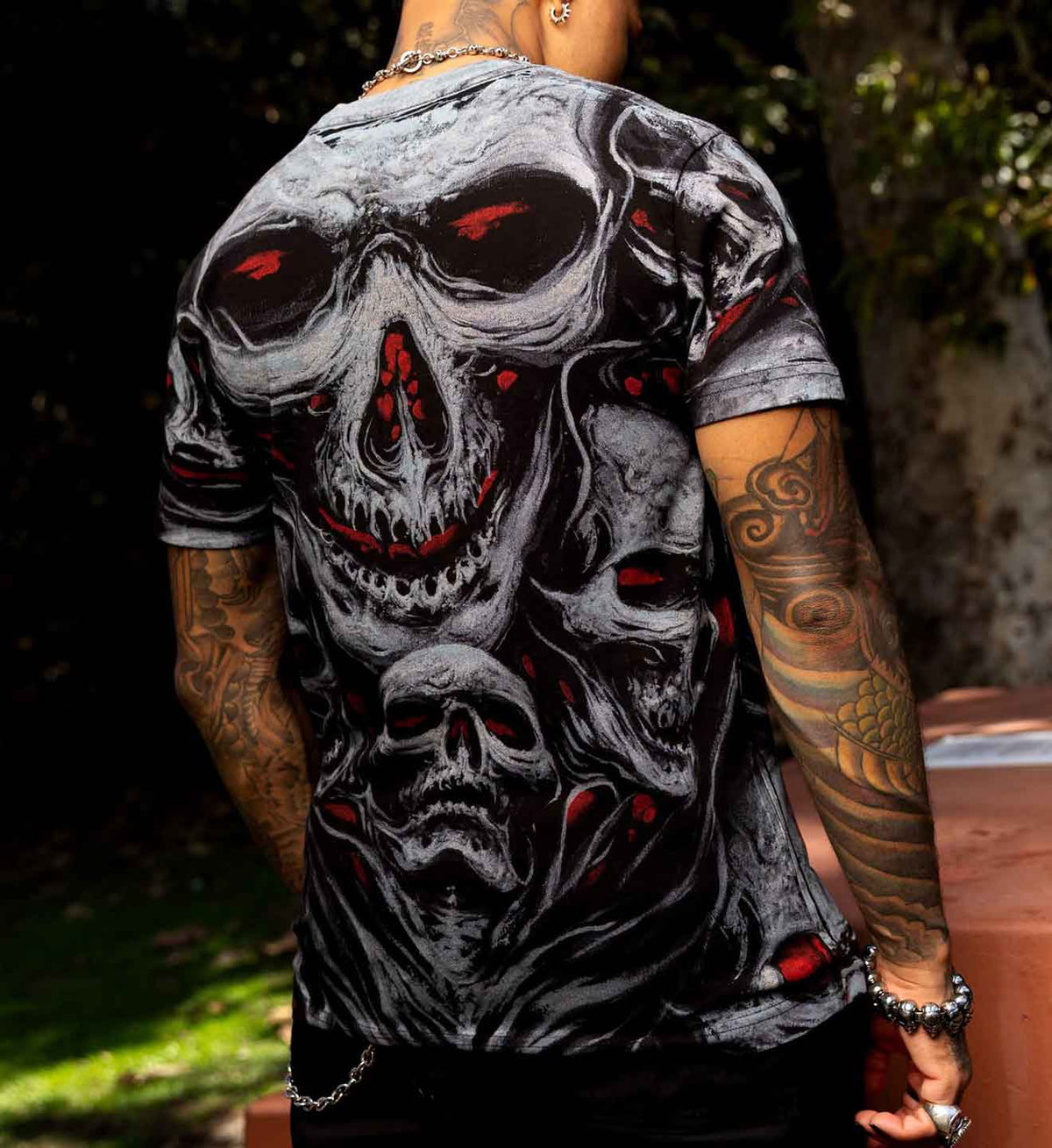
Streetwear brands also played a role in blending the cultures together. Graphic tees, hoodies, hats, and artist collaborations helped spread tattoo-inspired artwork throughout skateboarding fashion. Bold linework, flames, skulls, roses, and hand lettering became recognizable across decks, apparel, and tattoos.
Identity Through Art
For many skaters, tattoos become part of their personal timeline. A tattoo might represent a skate crew, a favorite artist, a life event, or years spent skating. The artwork becomes connected to memories and identity in the same way a worn skateboard reflects experience and personal style.
That crossover helped tattoos become deeply connected to skateboarding culture instead of existing beside it. The art, attitude, and lifestyle naturally blended together over time.
The Artistic Connection Between Decks and Skin

Skateboard graphics have always been a huge part of skate culture. Deck art became collectible because of the creativity behind it. Some designs were chaotic and aggressive, while others leaned into humor, horror, or surreal imagery. Many pulled directly from tattoo traditions.
Common Visual Themes
Classic tattoo imagery fits naturally into skateboarding culture because both scenes embrace bold visual impact.
Some common crossover imagery includes:
- Skulls
- Daggers
- Snakes
- Panthers
- Dice
- Flames
- Roses
- Gothic lettering
- Pin-up inspired artwork
These designs stand out quickly and carry strong personality. That makes them effective on skateboard decks, clothing, stickers, and tattoos alike. Skateboard tattoos are also a popular way to combine the cultures and imagery directly.
Hand-Drawn Creativity
Tattoo flash sheets and skate graphics both rely on memorable artwork with strong outlines and high contrast. Artists working in either space often pull influence from comic books, punk flyers, graffiti, and lowbrow art.
Many artists have crossed between industries over the years. Tattoo artists have created skateboard graphics, while skateboard artists have designed tattoos and apparel. That kind of crossover has helped shape a recognizable visual style tied to both communities.
DIY creativity also remains important in each culture. Skaters customize decks, shoes, jackets, and grip tape. Tattoo culture values custom artwork designed for the individual. In both scenes, originality carries real value.
Brotherhood, Risk, and Commitment
Skateboarding and tattoo culture also connect through mindset. Both involve commitment, pain tolerance, and persistence. Learning tricks takes repeated failure, physical punishment, and patience. Getting tattooed involves discomfort and long sessions that leave permanent marks behind.
Marks of Experience
Scars are common in skateboarding. Scraped knees, broken bones, and worn shoes become reminders of years spent skating. Tattoos often serve a similar purpose by marking friendships, passions, milestones, or personal growth.
Neither culture hides the rough edges that come with experience. Those marks become part of the story.
Community and Respect
Community plays a huge role in both scenes. Skate crews form through shared time, trust, and support. Tattoo shops create similar environments where artists and clients build long-term relationships.
Authenticity still carries weight in skateboarding and tattoo culture. People respect those who genuinely care about the craft and lifestyle. That honesty keeps both communities grounded, even as trends and popularity continue changing.
The connection also comes from confidence. Skateboarding encourages people to stand out and take risks. Tattoos allow people to wear their identity openly. Together, they create a culture built around self-expression without apology.
Ride, Create, and Represent

Skateboarding and tattoo culture continue influencing fashion, art, and streetwear because they come from communities with big creative energy. That connection inspires apparel built around bold artwork, independent thinking, and personal style.
This year’s Go Skateboarding Day tee from Sullen Clothing celebrates those shared roots with streetwear clothing designs shaped by skate culture and tattoo art. Get yours now and rep your connection to these iconic forms of street-driven creativity.

Written by Jill Ponek