




Why Your Tattoo Is Peeling and What to Do
Seeing your new tattoo start to peel can be alarming, especially after spending time and money on artwork you want to protect. Changes in texture and appearance can leave you wondering what is happening to your skin and what you should do next.
Proper care during this stage can help protect your tattoo as your skin recovers. Here is what you need to know about tattoo peeling, how long it can last, and how to care for your skin along the way.
Why Is My New Tattoo Peeling?
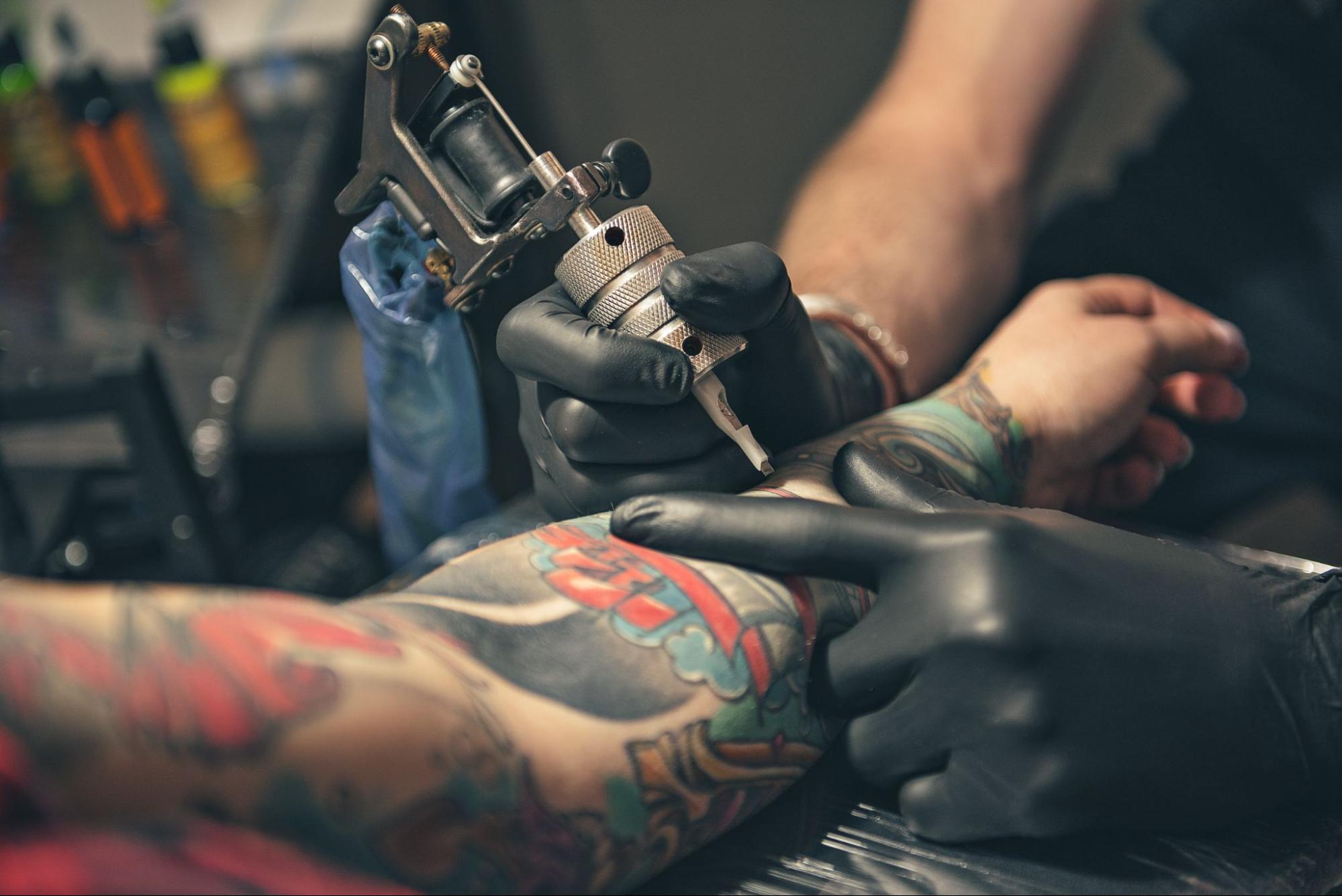
Getting tattooed creates thousands of tiny punctures in your skin as the needles deposit ink into the thick skin layer beneath the surface, called the dermis. After your session, your skin begins repairing itself. Part of that process involves shedding damaged cells from the outer layer of skin.
As that outer layer dries and sheds, your tattoo can begin to peel. The flakes may look a little like skin that comes off after a sunburn. You might even notice some color in them, which can be concerning when you have just invested in new artwork.
In most cases, those flakes are coming from the surface of your skin. The tattoo ink itself sits deeper in the dermis, so seeing some color in peeling skin does not automatically mean your tattoo is losing its ink.
Is Tattoo Peeling Normal?
Yes. Some peeling is generally a normal part of the tattoo healing process. It often happens along with dryness, mild itching, and light scabbing as your skin recovers from the tattoo session.
Normal tattoo peeling usually involves thin flakes that loosen and fall away on their own. Your tattoo may temporarily look dull, cloudy, or slightly uneven. As the surface heals, the artwork should gradually become clearer again.
Every tattoo can heal a little differently. The size and placement of your tattoo, your skin, and how your body heals can affect how much peeling you notice.
Watch for Signs That It’s More Than Just Peeling
Peeling by itself is usually not cause for concern. Pay more attention to how the tattoo feels and looks overall. Some redness, tenderness, and swelling can occur soon after getting tattooed.
Symptoms that become more severe instead of improving can indicate a problem. Talk to a healthcare professional if you notice worsening or spreading redness, increasing pain, significant swelling, pus, open sores, fever, or chills. A painful rash or other unusual skin reaction should also be checked.
How Long Does It Take for a Tattoo to Peel?
Tattoo peeling often starts within the first week after your appointment. There is no exact schedule that applies to everyone, so your tattoo may start peeling a little earlier or later.
For many people, the most noticeable peeling lasts around a week. You may still see some dryness or small flakes afterward. Your tattoo will continue healing beneath the surface after visible peeling ends.
Here’s a general idea of what you can expect through the healing and tattoo peeling process.
Stage 1: The First Few Days
Right after your tattoo session, the area may look red and feel tender or slightly swollen. Your artist will typically cover the tattoo with a bandage or protective film and tell you when it should be removed. Follow the instructions your artist gives you, since aftercare can vary depending on the type of covering used.
Stage 2: Peeling Begins
After a few days, your tattoo may begin feeling dry, tight, or itchy. Small flakes can start lifting from the surface as your skin sheds. The artwork may look a little dull or uneven during this stage. Avoid trying to remove the flakes yourself, even when they look loose.
Stage 3: Peeling Starts to Subside
The amount of peeling should gradually decrease as your skin continues to heal. Larger flakes may be replaced by smaller areas of dry skin before peeling stops. Your tattoo may still look slightly shiny or cloudy for a while. Keep following your artist’s aftercare instructions even when most visible peeling has finished.
What to Do When Your Tattoo Starts Peeling

A peeling tattoo can get itchy, and loose flakes can be difficult to ignore. Focus on keeping your tattoo clean, limiting irritation, and giving your skin time to heal. Your tattoo artist should provide specific aftercare instructions for your new piece. Follow those directions first, along with these general tips.
1. Do Not Pick or Pull at Peeling Skin
It can be tempting to pull off loose skin or pick at a scab, but leave it alone. Skin that looks ready to come off may still be attached to an area that has not finished healing.
Picking can irritate your tattoo and potentially affect how the artwork heals. Let flakes and scabs fall away naturally.
2. Wash Your Tattoo Gently
Keep your tattoo clean according to your artist’s instructions. Wash your hands first, then clean the tattoo gently instead of scrubbing it. Your artist may recommend mild, fragrance-free soap and lukewarm water.
After washing, gently pat the area dry. Avoid rubbing it with a towel, since friction can catch on peeling skin.
3. Moisturize as Directed
Peeling skin can feel dry and tight. Your artist may recommend a fragrance-free moisturizer or tattoo aftercare product to keep the area comfortable. Use only the amount recommended. Applying a thick layer does not mean your tattoo will heal faster.
4. Resist the Urge to Scratch
Itching can be frustrating, but scratching can irritate healing skin and pull off flakes or scabs before they are ready. Try to touch the tattoo as little as possible. Keeping up with your recommended aftercare routine can also make dryness and itching easier to manage.
5. Protect Your Tattoo From the Sun
Keep a fresh tattoo out of direct sunlight while it heals. When you need to cover the area, choose loose clothing that will not constantly rub against it. Ask your tattoo artist when you can start applying sunscreen.
Once your tattoo has fully healed, sun protection can help preserve its appearance.
6. Avoid Soaking Your Tattoo
You can still shower while your tattoo heals, but avoid baths, pools, hot tubs, lakes, and other situations where your tattoo would stay submerged. Your artist can tell you how long to avoid swimming and soaking based on your tattoo and its healing progress.
7. Choose Clothing That Won’t Rub
Think about where your tattoo is located when getting dressed. Tight clothing, rough materials, and seams can repeatedly rub against sensitive, peeling skin. If you have an arm tattoo, for example, you might choose a short-sleeved shirt or tank (if appropriate).
If your tattoo needs to stay covered, choose loose-fitting clothing that gives your skin some room.
Comfortable Clothing for Fresh Tattoos

The right clothing can make the peeling stage more comfortable by limiting unnecessary rubbing against sensitive skin. Sullen Clothing offers comfortable, art-driven pieces that fit naturally into life after a tattoo session. You can give your new tattoo some space to heal while still wearing designs that celebrate the culture, creativity, and artistry behind the medium.
Once you have your tattoo aftercare routine covered, you can turn your attention to the rest of your look. Check out our best sellers for tattoo-inspired tees, tanks, and more from the Sullen Art Collective.

De Ryan Smith