Why Tattoo Conventions Still Matter: Artists on the Floor at Palm Springs
The Room That Instagram Can't Replace
There is a version of a tattoo artist's career that exists entirely online. Portfolio on Instagram, bookings through DMs, reputation built post by post. For a lot of artists working today, that's the whole infrastructure. It works, up to a point.
The point it doesn't work past is the room.
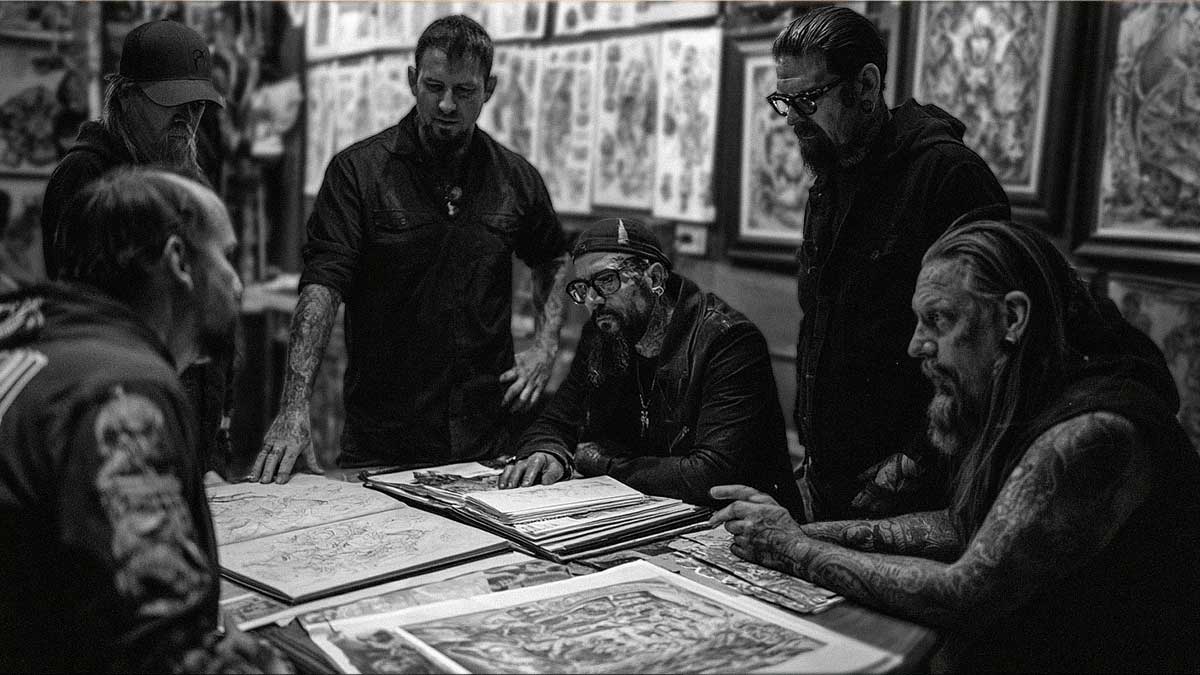
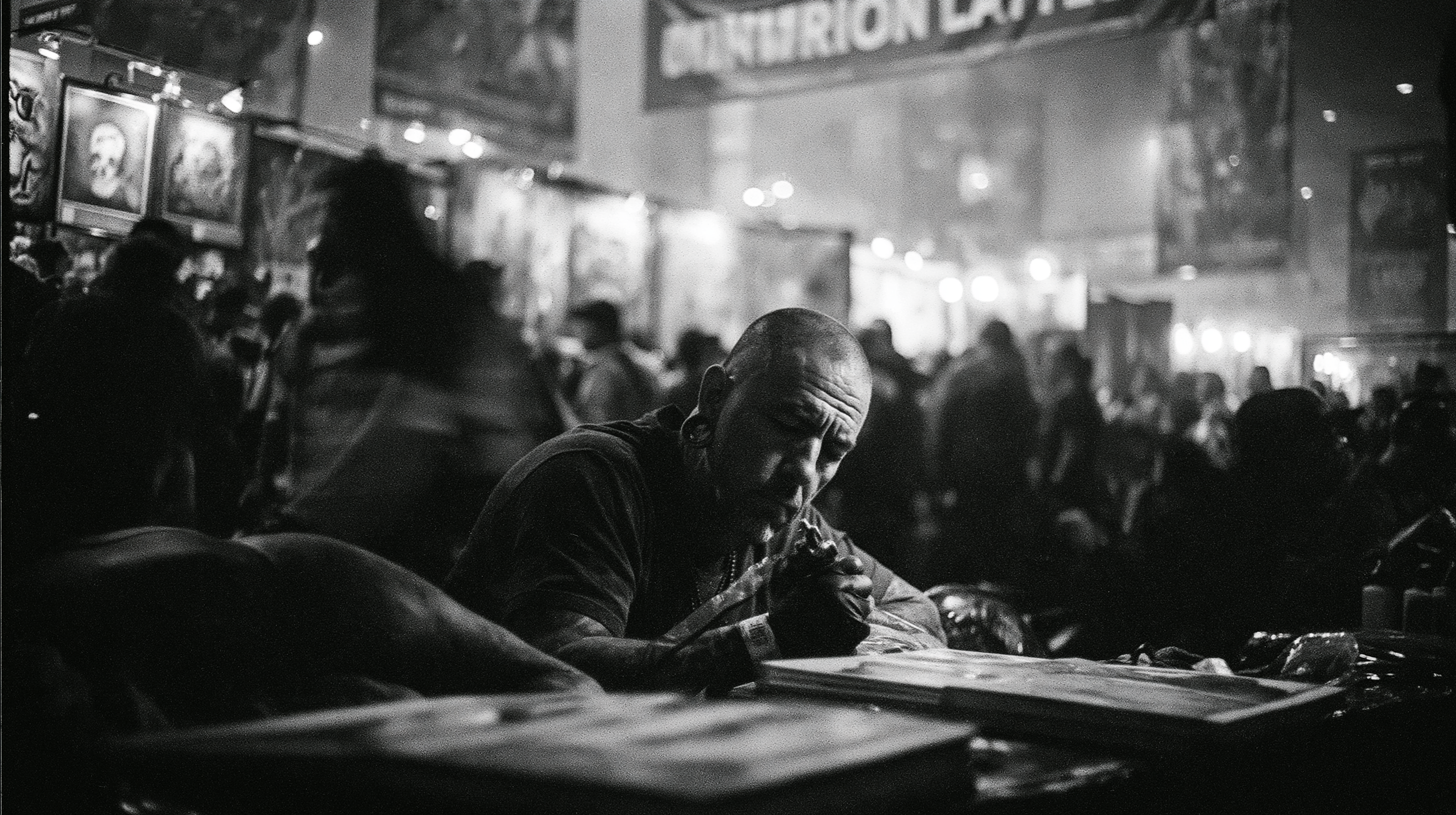
Sullen TV brought cameras to the Villain Arts Palm Springs Tattoo Convention and asked the artists on the floor a simple question: why should a tattoo artist book a booth at a convention? The answers weren't complicated. They were consistent. And they pointed at something that no algorithm has figured out how to replicate — what happens when serious artists are in the same physical space, working in front of each other, for a weekend.
Getting Off Your Home Turf
The first thing conventions do for an artist is expand the geography of their career.
A shop builds a local clientele. That's the foundation. But a local clientele also creates a ceiling — the same styles, the same aesthetic conversations, the same community's tastes reflecting back at you year after year. Conventions break that ceiling. Artists at Palm Springs talked about building client lists that now span multiple states, people who found them at a convention, got tattooed on the spot or booked for later, and became long-term clients who wouldn't exist if the artist had stayed home.
The math is simple: one weekend at a convention puts your work in front of more new eyes than months of posting. The difference is that the people in the room are already there. They came specifically to see tattooing, to get tattooed, to be part of the culture in person. The intent level of a convention crowd is different from a scroll.
The Networking That Actually Works
Every industry talks about networking. The tattoo world means something specific by it.
At a convention, you are working next to artists whose work you've studied, whose techniques you've tried to reverse-engineer from Instagram photos that never quite show you what you need to see. You're watching them work in real time. You're having conversations at the booth next to yours that turn into mentorships, collaborations, friendships that last years. Artists at Palm Springs talked about conventions as the place where they found their people — not followers, not fans, peers. The community that makes a long career sustainable rather than isolating.
That kind of connection doesn't happen through a screen. It requires proximity, shared experience, the specific chemistry of being in a room full of people who care about the same thing you do at the level you care about it.
For younger artists especially, conventions compress what would otherwise take years. One weekend in the right room can introduce you to mentors, peers, and collaborators that change the direction of your work. The artists at Palm Springs were unambiguous about this: the relationships built on the convention floor have lasted, and they've compounded.
What Happens to Your Work
The professional growth argument for conventions is the one that surprises artists who haven't done them yet.
Being surrounded by world-class talent — styles you don't see in your home shop, approaches to problems you've been solving the same way for years — pushes your work in ways that studying alone doesn't. Artists at Palm Springs talked about being exposed to techniques they wouldn't have encountered otherwise, about watching someone work and immediately understanding something that hadn't clicked before. About going home from a convention and tattooing differently because of what they'd seen.
This is how craft communities have always worked. The guild model, the apprenticeship model, the convention model — all versions of the same principle: you get better faster when you're around people who are better than you, or different from you, or solving the same problems from a different direction. Isolation optimizes for consistency. Exposure optimizes for growth. The artists who have been doing conventions for years talk about the floor as the place where their work leveled up.
The Fear Is Real. Do It Anyway.
Not everyone walks into their first convention booth feeling confident. The artists at Palm Springs said so directly.
Conventions can feel like a gamble — the booth fee, the travel, the uncertainty of whether you'll book enough work to make it worth it. They can feel intimidating — your work on display next to artists who have been doing this longer, whose reputations are more established, whose booth always has a line. The exposure cuts both ways. You're visible in a way that a curated Instagram grid doesn't require you to be.
The overwhelming consensus from the floor: do it anyway. The fear is the thing you're there to get past. The artists who have been doing conventions for years remember their first one — the nerves, the uncertainty, the moment it clicked. Almost universally, they recommend doing it at least once before deciding it's not for you. Because the version of conventions you imagine from the outside is almost never the reality once you're in the room.
Where Sullen Comes In
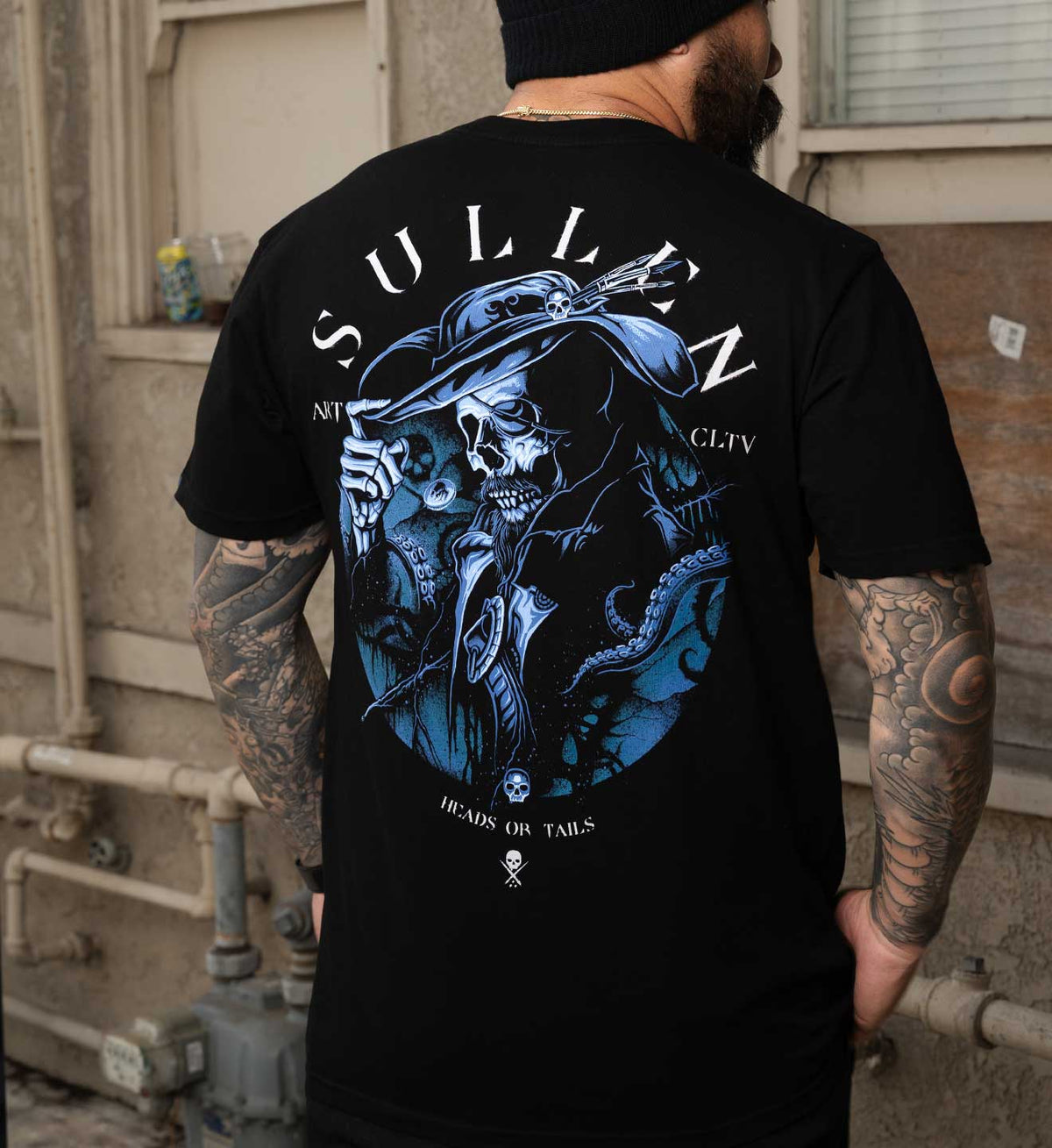
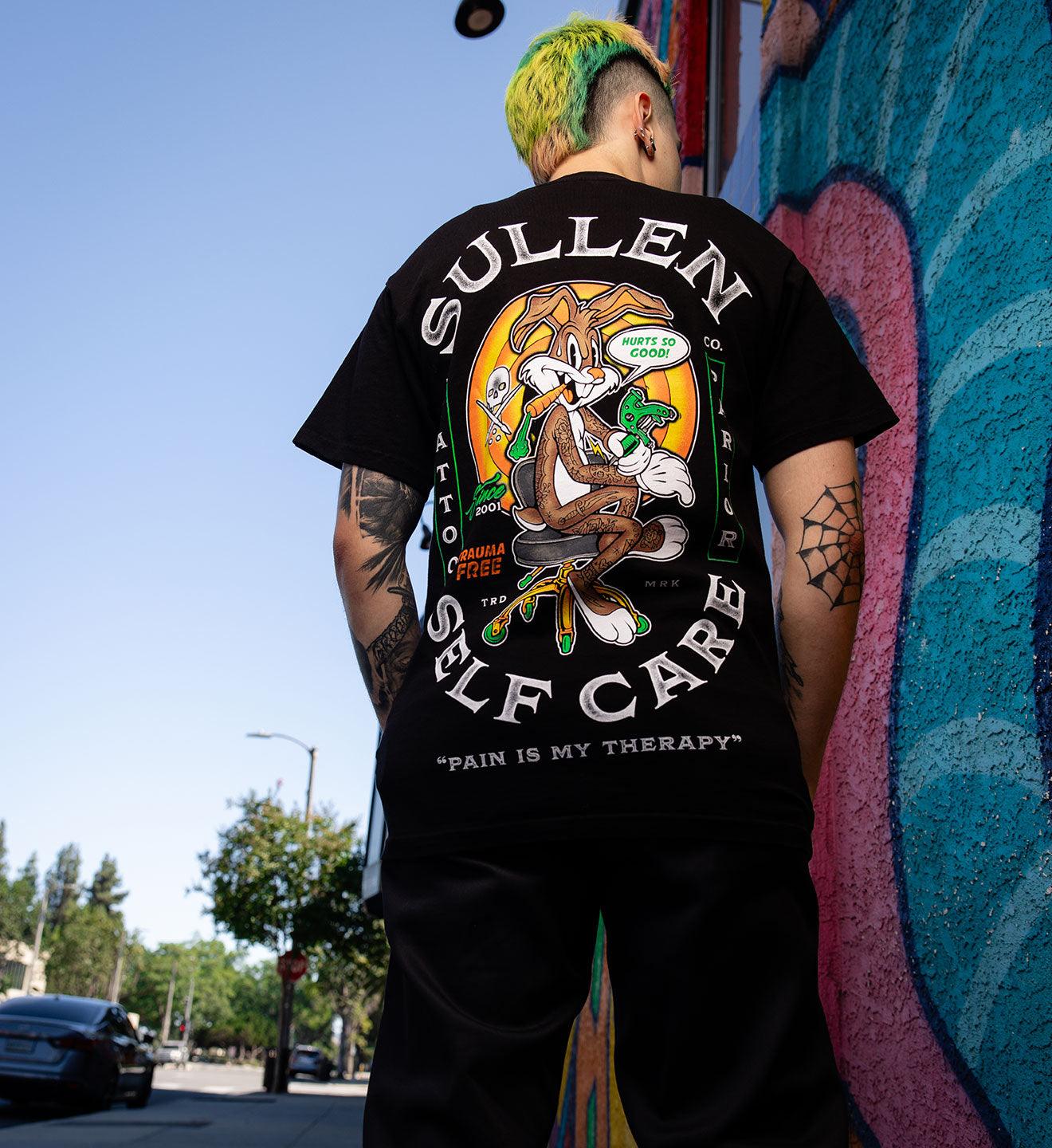
Sullen Art Collective has been in those rooms for most of its twenty-five years. The convention circuit wasn't just a marketing channel — it was where the brand was built. Where the first artist relationships started. Where the culture Sullen has always tried to represent was most alive, most concentrated, most itself.
SullenTV has covered conventions from the beginning — not as a spectator but as a participant, embedded in the culture, documenting the artists and the work and the community that doesn't exist anywhere else in quite the same form. The 500-plus artists in the Sullen program include people whose first connection to the brand happened on a convention floor. A conversation at a booth. A shared understanding of what this culture is and what it deserves.
That's still true. The weekly Artist Series drop on Tuesday mornings is the current expression of something that started in convention halls — the same belief that the art coming out of the tattoo world is worth taking seriously, worth building around, worth showing up for in person.
Conventions are where the tattoo world is most itself. That's why Sullen has always been there.
Watch the full SullenTV video from the Villain Arts Palm Springs Tattoo Convention at [YouTube]. New Artist Series drop every Tuesday at 10am Pacific at sullenclothing.com.

De Ryan Smith