Sullen flannel fit and build guide
FLANNEL FIT AND BUILD GUIDE:
A flannel is one of the most forgiving shirts to wear and one of the easiest to get wrong when buying. Fit, fabric weight, and construction decide whether it becomes a ten-year staple or a shapeless layer you stop reaching for. This guide covers how a flannel should fit, what flannel weight means, and how to judge build quality before you buy.
A flannel should fit close enough to look intentional but loose enough to layer over a tee — shoulder seams sitting at the edge of your shoulder, room to move, and a hem that lands around mid-fly to mid-hip. Lightweight flannels (summer, layering) run thinner; heavyweight flannels (cold weather, structure) use denser brushed fabric. Quality shows in the fabric weight, the stitching, matched plaid at the seams, and the buttons.
What is flannel, exactly?
Flannel is not a pattern — it's a fabric. The plaid most people picture is just the most common print on it. True flannel is a soft woven fabric, usually cotton or a cotton blend, that's been brushed on one or both sides to raise the fibers. That brushing is what gives flannel its fuzzy, warm hand and its insulating feel. A shirt can be plaid without being flannel, and flannel without being plaid.
How should a flannel fit?
A flannel should read as deliberate, not borrowed. The fit points that matter:
- Shoulders — the seam should sit right at the edge of your shoulder, not halfway down your arm. This is the hardest thing to fix and the first thing to check.
- Chest and body — enough room to layer over a t-shirt and move freely, without extra fabric billowing at the sides. You should be able to button it over a tee comfortably.
- Sleeves — ending at the wrist bone when worn down; clean to roll when worn up.
- Length — a hem around the mid-fly to mid-hip works untucked. Too long reads sloppy; too short rides up when layered.
For a modern streetwear look, a slightly relaxed or oversized fit is common and intentional — worn open over a graphic tee. For a rugged or workwear look, a trimmer fit that can tuck is more traditional. Neither is "correct"; they're different intents.
Flannel weight: lightweight vs. heavyweight
Like t-shirts, flannel fabric is described by weight, and weight changes what the shirt is for.
| Weight | Feel & use |
|---|---|
| Lightweight | Thinner brushed fabric, often short-sleeve. Breathable; built for summer layering or wearing open over a tee. Easy to pack and layer. |
| Standard / midweight | The everyday flannel. Warm enough for spring and fall, soft, versatile. |
| Heavyweight | Denser, more thoroughly brushed fabric with real structure and warmth. Built for cold weather and to hold its shape as an outer layer. Often overlaps with flannel jackets and shirt-jackets. |
Heavier isn't automatically better — it's seasonal. A heavyweight flannel in July is miserable; a lightweight one in January won't keep you warm. Match the weight to how you'll actually wear it.
How to judge flannel quality before you buy
Most flannels look similar in a photo. The build quality shows in details:
- Fabric weight and brushing — a quality flannel feels substantial and evenly soft, not thin or scratchy. Brushed cotton or a cotton-rich blend holds up and softens with wear.
- Pattern matching — on a well-made plaid, the lines line up across the seams, the pockets, and the placket. Mismatched plaid is the clearest sign of a rushed, cheap make.
- Stitching — tight, even seams with no loose threads; double-stitched stress points last longer.
- Buttons — secure, quality buttons (and especially custom or branded buttons) signal a finished garment, not a blank with a label.
- Sizing range and consistency — a brand that offers a true range of sizes and keeps fit consistent across designs has invested in its patterns.
How to style a flannel
The most reliable look is also the simplest: a flannel worn open over a graphic tee, with the tee carrying the visual interest and the flannel framing it. From there:
- Open over a tee — the streetwear default. Let the shirt underneath do the talking.
- Buttoned — a cleaner, more put-together look; works with the sleeves rolled.
- Tied at the waist — the throwback move for warm weather, when you want it on you but not on.
- As a light jacket — a heavyweight flannel or shirt-jacket layered over a hoodie for cold weather.
A worked example: how Sullen builds its flannels
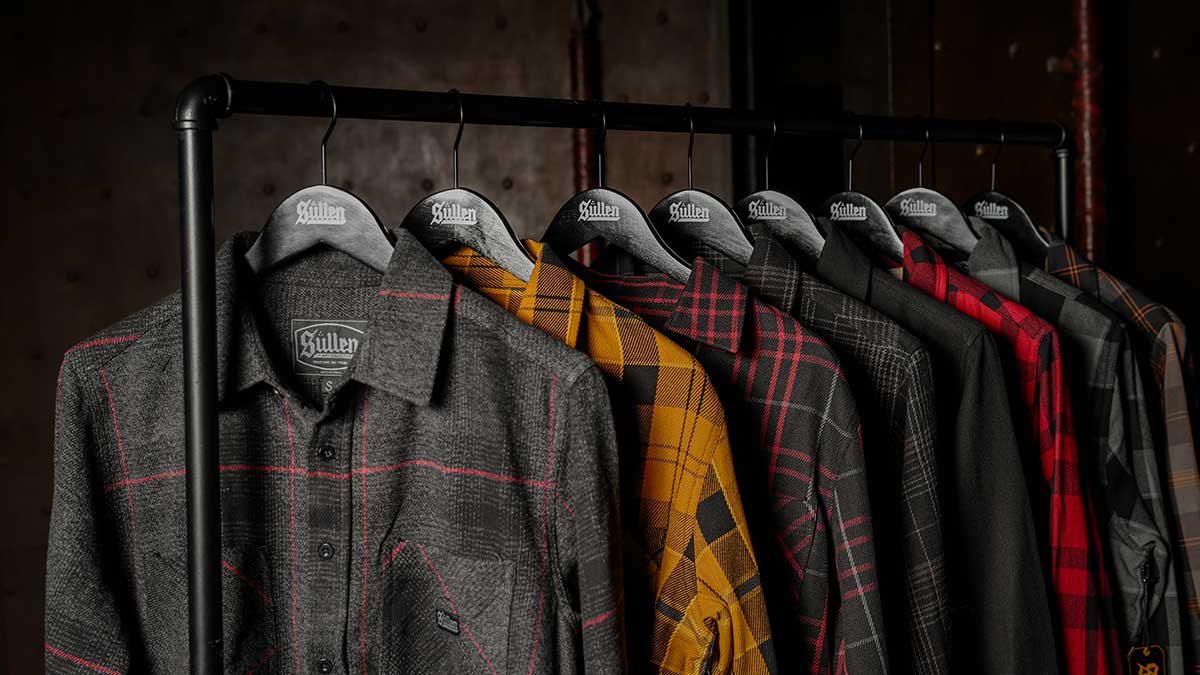
To see these factors in a real line, here's how Sullen approaches flannels across weights and fits:
- Heavyweight flannels — made from a heavyweight cotton-blend fabric with real structure, built for cold weather and layering, finished with custom Sullen-branded buttons.
- Standard flannels — the everyday plaid, soft and versatile, designed to be worn open over one of Sullen's tattoo-art graphic tees.
- Lightweight short-sleeve flannels — a thinner, breathable make lighter than typical standard-weight flannels, built for summer layering.
- Flannel jackets & shirt-jackets — the heaviest end of the range, quilted and zip options that cross over into outerwear.
The line also runs an extended size range up to 5X across designs — a practical sign of consistent patterning. It's a clean illustration of the principle in this guide: pick the weight for your season, the fit for your intent, and judge the rest on fabric, stitching, and buttons.
Frequently asked questions
- How should a flannel shirt fit?
- A flannel should have its shoulder seams sitting at the edge of your shoulders, enough room to layer over a t-shirt and move freely, sleeves ending at the wrist, and a hem around mid-fly to mid-hip so it works untucked. A slightly relaxed fit is common for a modern streetwear look.
- What is the difference between flannel and plaid?
- Flannel is a fabric — a soft woven cotton or cotton blend brushed to raise the fibers for warmth. Plaid is a pattern. Most flannels are plaid, but a shirt can be plaid without being flannel, and flannel without being plaid.
- What is a heavyweight flannel?
- A heavyweight flannel uses a denser, more thoroughly brushed fabric with more structure and warmth than a standard flannel. It is built for cold weather and to hold its shape as an outer layer, often overlapping with flannel jackets.
- How can you tell if a flannel is good quality?
- Look at the fabric weight and softness, whether the plaid lines up across the seams and pockets, the tightness and evenness of the stitching, and the quality of the buttons. Matched plaid and secure, branded buttons are signs of a well-made flannel.
- Can you wear flannel in summer?
- Yes, with a lightweight or short-sleeve flannel. Lightweight flannels use thinner brushed fabric and are breathable enough to layer open over a t-shirt in warm weather.
This guide is general education on flannel fit, fabric, and construction. Specific weights, blends, and fits vary by brand and product — check the individual product details when buying.

De Ryan Smith